
Solar Projects
Sep
2025
Artificial Grass vs Natural Grass: Why Artificial Turf Is the Smarter Choice
1. The Timeless Appeal of Natural Grass
Natural grass has long been valued for its authentic beauty and environmental benefits. Its natural cooling effect, fresh smell, and contribution to oxygen production are undeniable. For large community parks or eco-conscious gardens, it has a role to play.
However, in residential and commercial spaces, natural grass can be difficult and costly to maintain. It demands:
- Regular watering, which is unsustainable in drought-prone regions.
- Frequent mowing and trimming to maintain neatness.
- Fertilizers and pesticides, which can be harmful to health and the environment.
- Seasonal vulnerability—turning brown in heat or soggy in rain.
While it is beautiful, the upkeep required often makes natural grass impractical for today’s busy lifestyles.
2. Why Artificial Grass Has Become Popular
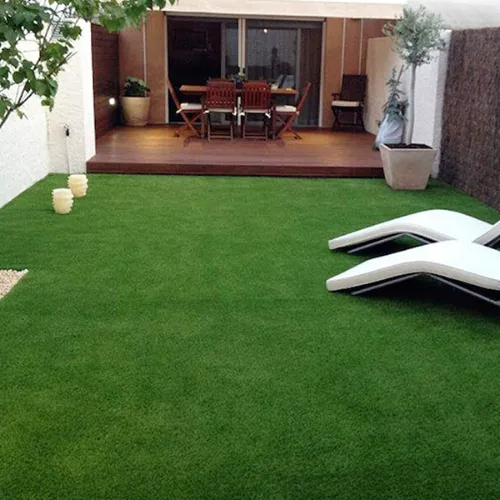
Artificial grass, once limited to sports fields, is now everywhere—homes, offices, terraces, balconies, schools, and even wall décor. And it’s easy to see why.
Key Advantages of Artificial Grass
- Low Maintenance – No watering, mowing, or fertilizing needed.
- Year-Round Greenery – Stays lush and fresh in every season.
- Cost-Effective – Saves money on gardening, water, and chemicals over time.
- Child & Pet Friendly – Safe surface for kids to play and pets to run without mud or mess.
- Eco-Friendly – Conserves water and reduces pesticide use.
- Versatility – Works indoors and outdoors, on soil, concrete, rooftops, or even walls.
In short, artificial grass offers the look and feel of natural grass without the hassle, making it the smarter choice for modern living.
3. Side-by-Side Comparison
Here’s a clear look at how the two options differ:
|
Feature |
Natural Grass |
Artificial Grass |
|
Maintenance |
High – mowing, watering, fertilizers |
Very low – occasional cleaning |
|
Water Usage |
Requires thousands of liters yearly |
Zero water required |
|
Durability |
Seasonal changes affect appearance |
Stays green in all weather |
|
Initial Cost |
Lower installation cost |
Higher upfront, but long-term savings |
|
Long-Term Cost |
Ongoing expenses for care |
Minimal after installation |
|
Eco Impact |
Produces oxygen, but uses water & chemicals |
Saves water, no pesticides |
|
Appearance |
Natural beauty but inconsistent |
Consistently neat and lush |
|
Convenience |
Time and effort required |
Hassle-free, family-friendly |
While natural grass scores on authenticity, artificial grass clearly wins on convenience, cost-effectiveness, and long-term usability.
4. Artificial Grass for Modern Homes
One of the biggest advantages of artificial grass is its design flexibility. Unlike natural grass, which is limited to open soil, artificial grass can be installed in creative ways:
- Balconies & Rooftops – Transform concrete spaces into cozy green corners.
- Children’s Play Areas – Soft and safe surfaces with no mud.
- Pet Spaces – Easy to clean, durable under heavy use.
- Indoor Corners – Decorative green mats for living rooms or gyms.
- Walls & Décor – Vertical gardens and wall panels for unique designs.
These applications show that artificial grass is not just an outdoor solution but also an interior design trend.
5. Cost Savings and Eco Benefits
While artificial grass requires a higher initial investment, it pays for itself over time. Think about it no monthly water bills for irrigation, no gardener fees, no chemicals, and no costly lawn equipment.
Artificial grass is also eco-friendly in the long run. It conserves thousands of liters of water annually and eliminates the need for fertilizers or pesticides that pollute soil and water systems. For sustainability-conscious households and businesses, this makes artificial turf a responsible choice.
6. Installation and Maintenance
Professional installation ensures that artificial grass looks and feels natural. The process involves:
- Preparing the surface (soil, tiles, or concrete).
- Adding a base layer for drainage.
- Laying and securing the turf with adhesives or nails.
- Brushing and finishing for a seamless look.
Once installed, maintenance is minimal—just occasional cleaning to remove dust or debris. Compared to natural grass, which demands constant attention, artificial turf is virtually effort-free.
7. Why Artificial Grass Is Best for Urban Living
For city homes and commercial spaces, artificial grass is unmatched because it:
- Fits into compact spaces like balconies.
- Provides instant greenery in indoor areas.
- Withstands heavy use in schools, gyms, or offices.
- Keeps homes clean and mud-free during rainy seasons.
- Offers timely, stylish installation with customizable shades and textures.
It aligns perfectly with the needs of modern lifestyles where time, space, and resources are limited.
8. Choosing the Right Partner
When investing in artificial grass, choosing the right supplier matters. Companies like Global Marketing (NetScreen, Coimbatore) specialize in providing:
- Premium-quality turf that looks natural.
- Variety of designs and shades to match interiors.
- Professional installation for perfect finishing.
- Timely delivery and after-sales support.
With thousands of successful installations, they ensure artificial grass becomes a stylish, durable, and practical addition to your home or business.
Final Thoughts
The debate between artificial and natural grass often boils down to lifestyle. While natural grass has its charm, it comes with high maintenance, water usage, and seasonal inconsistency. Artificial grass, on the other hand, delivers year-round beauty, convenience, cost savings, and design flexibility.
For today’s busy households and modern commercial spaces, artificial turf is more than just an alternative—it’s the best choice. It combines the greenery you love with the practicality you need, making it the smarter investment for the future.

© 2025 All Rights Reserved by Global Marketing
